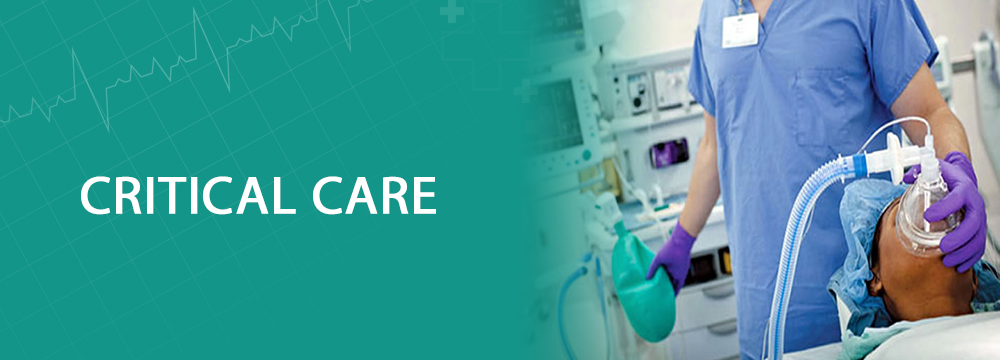
Critical Care
Understanding Critical Care
Critical care, also known as intensive care, is specialized medical care for patients with life-threatening illnesses or injuries. It focuses on the monitoring and treatment of individuals whose vital organs—such as the heart, lungs, or kidneys—are at risk of failing. Patients in critical care often require advanced support like ventilators, intravenous medications, and continuous monitoring to stabilize their condition. The goal is to prevent complications, support recovery, and save lives during the most critical periods.
Causes and Risk Factors
Critical care is often required for patients experiencing severe trauma, respiratory failure, cardiac arrest, severe infections like sepsis, or complications after major surgeries. Chronic illnesses, such as heart disease, diabetes, or kidney disorders, can increase the likelihood of needing critical care during acute exacerbations. Identifying high-risk patients early and providing timely intervention is vital to improving outcomes.
Diagnosis and Evaluation
Patients are admitted to the intensive care unit (ICU) after a thorough assessment of their condition. This involves monitoring vital signs, performing laboratory tests, imaging studies, and evaluating organ function. Specialists like Dr. Vipul Mishra collaborate with a multidisciplinary team—including pulmonologists, cardiologists, and critical care nurses—to ensure comprehensive assessment and personalized care plans for each patient.
Treatment and Management
Critical care management includes advanced life support techniques, mechanical ventilation, continuous medication infusion, and close monitoring of vital signs. The treatment approach is highly individualized, focusing on stabilizing the patient, addressing underlying causes, and preventing secondary complications. Early intervention, combined with expert guidance from critical care specialists, significantly improves the chances of recovery.
Living with Critical Care Needs
While the ICU is a temporary phase for most patients, recovery from critical illness often continues after discharge. Dr. Vipul Mishra emphasizes rehabilitation, patient education, and support for both patients and families to navigate the recovery process. Proper follow-up care, lifestyle adjustments, and adherence to prescribed treatment plans help in regaining strength and reducing the risk of future critical episodes.